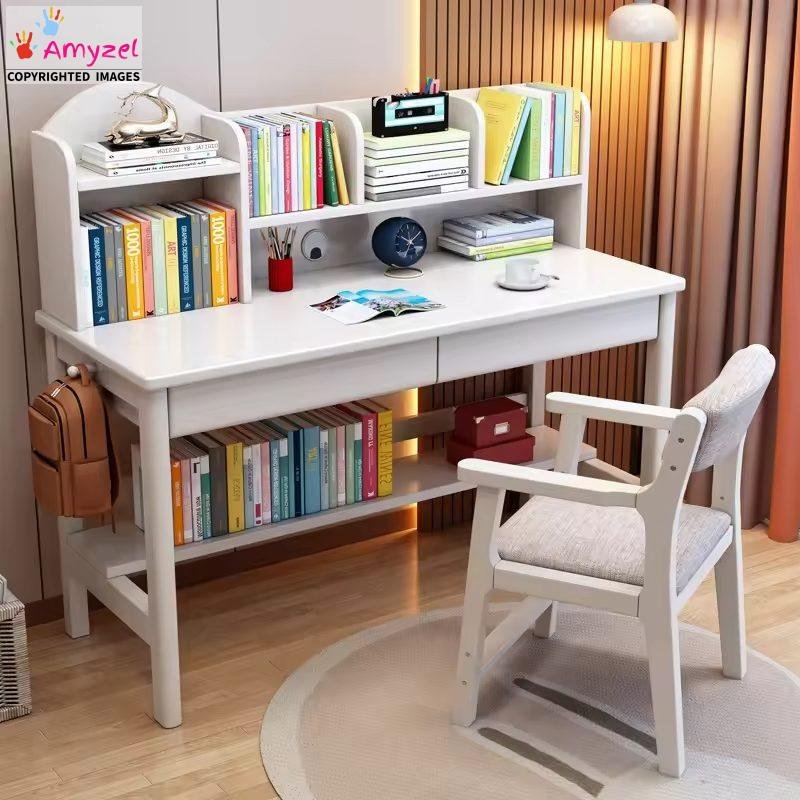





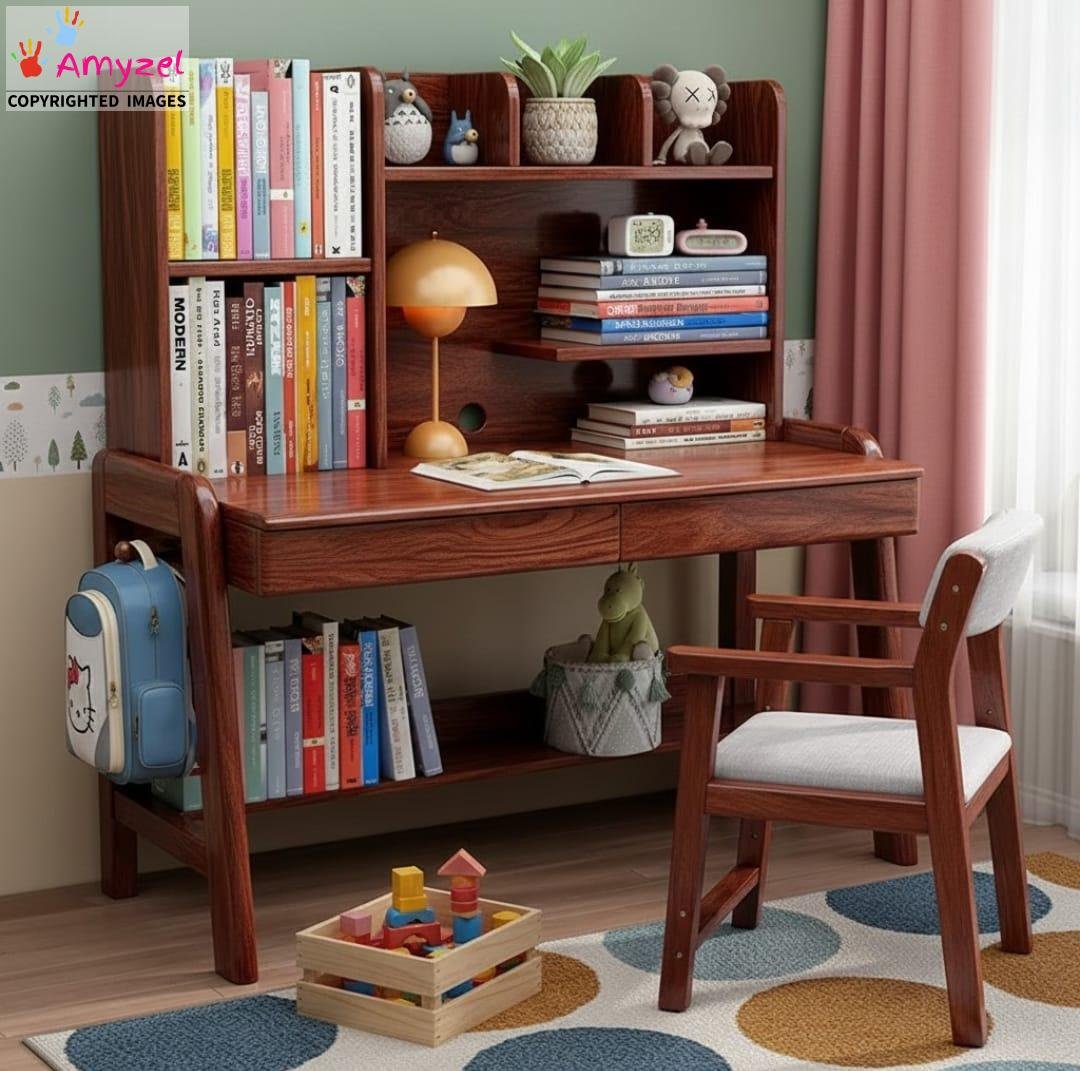
In today’s digital-first learning environment, children spend hours studying, reading, and attending online classes. Yet, one critical factor parents often overlook is the study table itself. The wrong setup can lead to poor posture, reduced focus, and even long-term health issues. The right one, however, can significantly improve both posture and concentration.
For parents investing in premium kids furniture—especially from brands like Amyzel—understanding this connection is essential.
Why the Study Table Matters More Than You Think
A study table for kids is not just furniture—it’s a productivity tool. When ergonomics and design are aligned with a child’s needs, it directly impacts:
- Spine alignment
- Eye level positioning
- Writing comfort
- Attention span
Children using poorly designed tables often slouch, lean too close, or constantly shift positions—leading to discomfort and distraction.
The Link Between Posture and Concentration
Posture and focus are tightly connected.
- A simple study table at the wrong height forces your child to bend or stretch unnaturally
- This creates muscle strain, which reduces attention span
- Poor posture also affects breathing, limiting oxygen flow and reducing cognitive performance
On the other hand, a well-designed wooden study table for students supports natural posture:
- Back remains straight
- Feet rest flat on the ground
- Eyes align comfortably with books or screens
This leads to longer, distraction-free study sessions.
Key Features That Improve Posture & Focus
1. Correct Height & Proportion
A study desk for students should match the child’s height. Ideally:
- Elbows should rest at a 90-degree angle
- The tabletop should be at chest level when seated
This prevents shoulder strain and encourages upright sitting.
2. Storage That Reduces Distractions
Clutter kills concentration. A study table with drawers or a study table with bookshelf helps organize books, stationery, and devices.
Benefits:
- Everything stays within reach
- No need to get up frequently
- Clean workspace = better mental clarity
3. Spacious Surface Area
A cramped desk restricts movement. A large study table allows:
- Multiple books or devices
- Comfortable writing space
- Better organization
This is especially useful for older kids and even a study table for professionals working from home.
4. Material Matters: Why Wood is Better
A wooden study table offers durability and stability that plastic or engineered alternatives often lack.
Advantages of a wooden study table design:
- Strong and long-lasting
- No wobbling (important for writing posture)
- Premium aesthetic that encourages usage
For growing children, investing in a wooden study table for students ensures years of consistent support.